Shopify Storefronts: Customization Beyond Templates
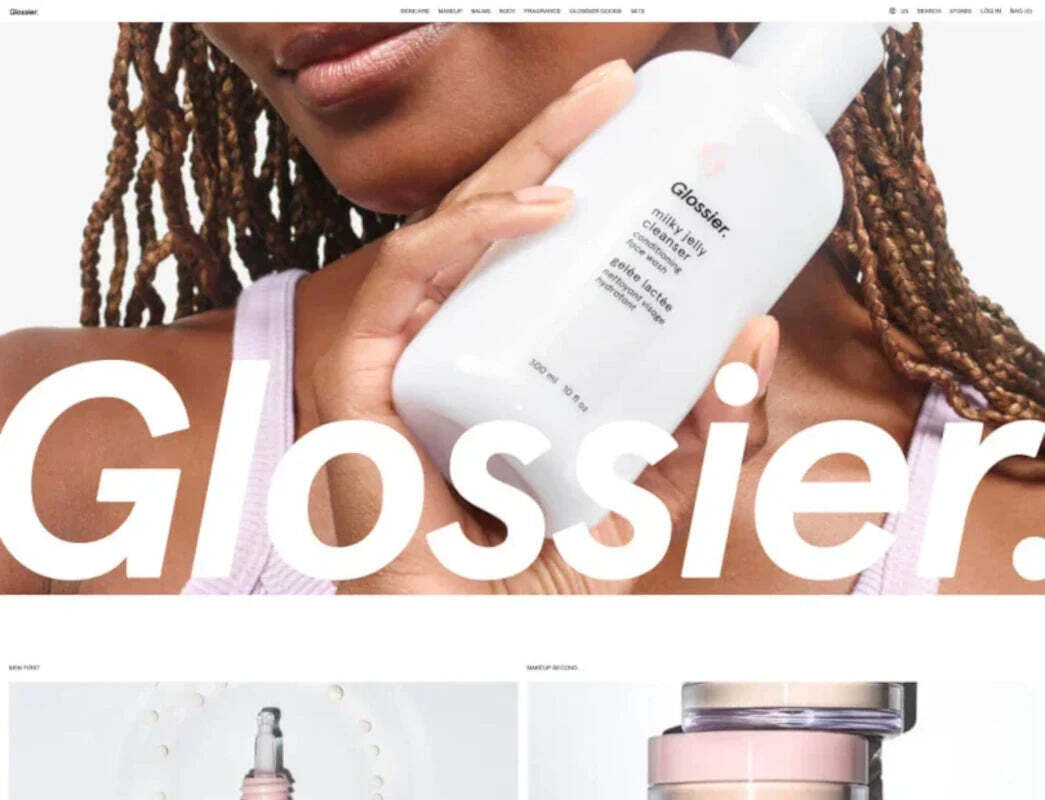
Beyond Templates: Custom Shopify Storefronts That Drive Sales
The Challenge
Out-of-the-box Shopify templates are professional, but they’re also… out-of-the-box. Two growing e-commerce stores needed:
- Custom checkout experiences
- Integrated feedback forms
- Product customization options
- Brand-specific workflows
- Features that competitors didn’t have
Templates couldn’t deliver what the businesses needed to differentiate themselves.
The Approach: Smart Customization
Rather than rewriting everything (expensive, risky), we strategically customized the Shopify storefronts:
Store 1: Custom Product Configuration
- Added interactive product customization forms
- Real-time pricing updates based on selections
- Streamlined checkout for complex products
- Result: 15% higher average order value
Store 2: Integrated Customer Feedback
- Post-purchase surveys embedded in order confirmation
- Product review system with photos
- Customer feedback directly feeding product development
- Result: Valuable customer insights, improved retention
Technical Approach
- Liquid Templates — Shopify’s templating language for custom layouts
- JavaScript — Dynamic features without rebuilding the platform
- Custom Forms — Integrated directly into product pages and checkout
- API Integration — Connected to inventory and fulfillment systems
Why This Matters
The Modern E-Commerce Reality: The web storefront is where commerce happens. In 2026:
- ✅ Lower risk than physical retail
- ✅ Lower overhead
- ✅ Global reach
- ✅ Data-driven decision making
- ✅ Flexible, responsive to market changes
Customization = Differentiation Generic templates = generic results. Custom features:
- Show customers you understand their needs
- Reduce friction in the buying process
- Gather valuable business intelligence
- Create competitive advantages
The Impact
- ✅ Faster checkout — Fewer abandoned carts
- ✅ Better customer experience — Tailored to each business
- ✅ Increased revenue — Through optimized workflows
- ✅ Data insights — Understanding customer behavior
- ✅ Lower costs — Vs. building e-commerce from scratch
- ✅ Faster iteration — Adapt to market feedback quickly
Key Lesson
Don’t settle for “close enough.” Your web storefront is your sales team. Investing in customization that matches your business model and customer needs pays for itself through higher conversion rates and customer satisfaction.
The modern era of e-commerce rewards businesses that think beyond templates.
Ready to build a storefront that actually sells? Let’s talk about what’s possible for your business.